Evaluating Cheap RDP Servers with Admin Access
Staging does not require the exact same capacity as production, but it ought to be comparable enough in runtime, database engine, reverse proxy, networking, and deployment method to catch real release issues. Usage Dev, Staging, and Production Environments when environment parity is the primary question. Memory is typically the very first useful limitation.
When the VM runs multiple containers, a database, develop tools, or numerous services, 48 GB ends up being far more comfortable. Watch for: swap activity; OOM-killed procedures; containers restarting under load; database cache pressure; build failures triggered by memory fatigue; high memory usage after regular traffic rather than just during benchmarks. Do not purchase years of theoretical headroom.
For the dedicated sizing concern, use How Much RAM Do I Required for a VPS? and Choosing the Right VM Size. Developers often develop storage-heavy I/O patterns without understanding it. Typical examples include: Docker image layers; package caches; node_modules and language dependencies; Git repositories; CI artifacts; database files; logs; momentary construct output; uploaded files; backup staging.
scaling your VPS planMove big durable files to object storage when they do not need block-device semantics. Usage volumes when the work requires expandable relentless disk.
How to Secure Cheap RDP with Admin Access
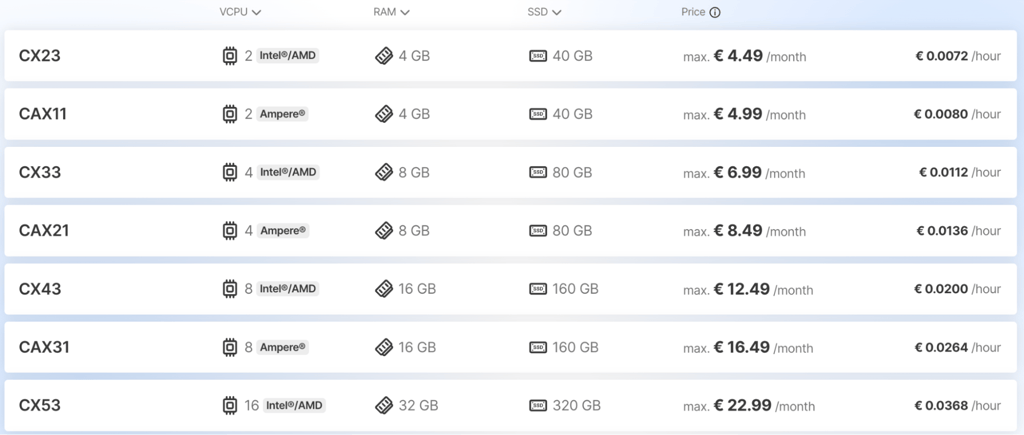
Compare the total bandwidth policy rather than only port speed. Use VPS Bandwidth and Transfer Costs Discussed when network pricing is a huge part of the buying decision. There is no universal proper monthly rate since the workload alters the server size and supporting services. For a fair contrast, normalize: vCPU; RAM; local storage; bandwidth policy; backup protection; IPv4 or additional IP cost; area; support; operating-system licensing; billing term.
The helpful concern is: What is the smallest safe VPS for the workflow, and what will the total regular monthly cost be? For wider rates analysis, use Cloud Server Pricing: What Actually Drives Monthly Expense. Raff's current Cloud Server deal is developed for general Linux and designer work with regular monthly plan rates.
Raff currently lists as its public VM area. That is crucial: teams that need Europe, Asia-Pacific, or other specific regions need to pick facilities based upon the area requirement rather than rate alone. The existing operating-system brochure consists of Ubuntu, Debian, Fedora, AlmaLinux, Rocky Linux, CentOS Stream, Alpine Linux, openSUSE, FreeBSD, and Windows Server, with custom ISO assistance also noted.
Raff is a strong fit when the group wants: a typical Linux or Windows server rather than an extremely abstracted runtime; foreseeable monthly VM rates; unmetered server bandwidth; NVMe-backed regional storage; complete root gain access to; private networking in between workloads; API and Terraform automation; a course from one VM toward databases, storage, load balancing, and Kubernetes without beginning there.
scaling your VPS planChoose another company when you need an ability that matters more than Raff's existing rates design or developer simplicity. Examples include: a public VM region outside the present United States East Coast area; hundreds of hyperscaler-native managed services; a huge instance size outside the current Raff VM range; an existing AWS, Azure, or GCP architecture where moving one VM would increase complexity; a compliance or procurement requirement connected to another platform or region.
Is a High-RAM Windows VPS Vital for Developers?
Production, databases, staging, and CI require adequate resources and a recovery plan. Keep databases, caches, admin interfaces, and application-runtime ports personal where possible.
Logs, Docker layers, bundle caches, and construct artifacts can fill a server even when application data is small. Disposable dev boxes might not require recovery.
Before picking a service provider, verify: It is virtual-server hosting that provides developers a controllable operating-system environment for applications, APIs, Docker, CI/CD, databases, staging, automation, and other engineering workloads. The best VPS is the smallest server that securely supports the workflow and provides the required area, OS, storage efficiency, bandwidth policy, recovery, and resize path.
Selecting the Right Windows Hosting for Development
2 GB can support light development work. 4 GB is a more comfy beginning point for a little app or staging environment. Docker stacks, CI/CD runners, databases, and Windows typically require 48 GB or more. Yes. VPS infrastructure is useful for staging, CI/CD runners, Docker hosts, automation jobs, internal tools, test databases, and little production services when a full orchestration platform is unnecessary.