Guide to Deploy High RAM Cloud Hosting
As more Independent Software Vendors (ISVs) move far from on-premises release, has become a must-have. Whether you're updating a tradition desktop application or supporting remote users, hosting your software application in the cloud improves ease of access, scalability, and effectiveness. However not every hosting choice is developed with ISVs in mindespecially those providing full-featured Windows applications.
describes running Windows-based applications or desktop environments on virtual infrastructure hosted in the cloud. Instead of installing software application locally or handling physical servers, your application is deployed on a remote serveraccessible through the internet. This design enables ISVs to: Provide Windows software to any deviceAvoid handling on-premise hardwareScale users up or down on demandCentralize updates, security, and backupsReduce customer setup and assistance burdenSome platforms provide full virtual desktops (like Windows 365), while others concentrate on publishing specific applications directly (like ISVHost with GO-Global).
is a managed Windows application hosting platform powered by, a light-weight remote gain access to solution. Together, they provide ISVs whatever required to host and provide their software application through the cloudwithout rewording it or managing complex facilities. If you're aiming to turn your on-premise Windows application into a SaaS-style product, ISVHost with GO-Global supplies the most direct and efficient path.
secure your VPSKey Facts About High RAM VPS
It's highly adjustable and incorporates with the broader Microsoft ecosystem. ISVs with DevOps resources who desire complete control over their environments. Not enhanced for app-first delivery unless coupled with other tools like RDS or Citrix. You'll likewise require to manage security, updates, and backups. Amazon EC2 supports Windows-based circumstances you can use for hosting applications, advancement environments, or backend services.
Offers flexibility but requires technical know-how and effort to set up. Licensing and efficiency tuning are your responsibility. V2 Cloud offers totally managed virtual desktops with Windows environments that are easy to release. It's tailored toward groups who require persistent desktop gain access to. ISVs supporting consumers who anticipate a full Windows desktop experience.
Expenses may rise with increased user activity. Windows 365 offers consistent cloud-based desktops through a foreseeable per-user membership. Sessions are accessible through web browser or Remote Desktop client. ISVs that need to use complete desktops to internal users or clients. Not created for lightweight, application-only shipment. You'll be provisioning entire desktops even if just one program is needed.
Maximizing Performance in High-Demand Systems
If you're attempting to support complete desktop environments, tools like Windows 365 and V2 Cloud might make sense. However if your top priority is application-first shipment without the infrastructure overhead, is the clear leader. It's the fastest way to provide your Windows application in the cloudsecurely, reliably, and without rewriting your code or managing complex environments.
Make sure that the servers are supported for migration (check OS versions, disk configurations, etc). Confirm if your current licenses permit migration to Azure (particularly for Windows Server and any thirdparty apps).
Confirm you have an active Azure subscription. Style your Virtual Network (VNet): variety of IP addresses, subnets, Network Security Groups (NSGs), and connectivity (VPN/ExpressRoute if needed). Pick an Azure region based upon performance, information residency, and cost factors to consider. Set Up the Azure Migrate Project Log in to the Azure Website.
Expanding Cloud Infrastructure for High-Demand Workflows
Choose the appropriate settings (evaluation and migration module) for server migration. Download the device from the Azure Migrate task page. Set up the home appliance (it can be established as a virtual maker onpremises if you're moving virtual makers, or run it on a physical server) following the setup guide. Register your onpremises servers with the Azure Migrate device.
Evaluation the evaluation reports that program resource usage, sizing suggestions, and compatibility. I hope this clarifies things. Please remember to "Accept Response", so that others in the community dealing with similar problems can easily find the answers.
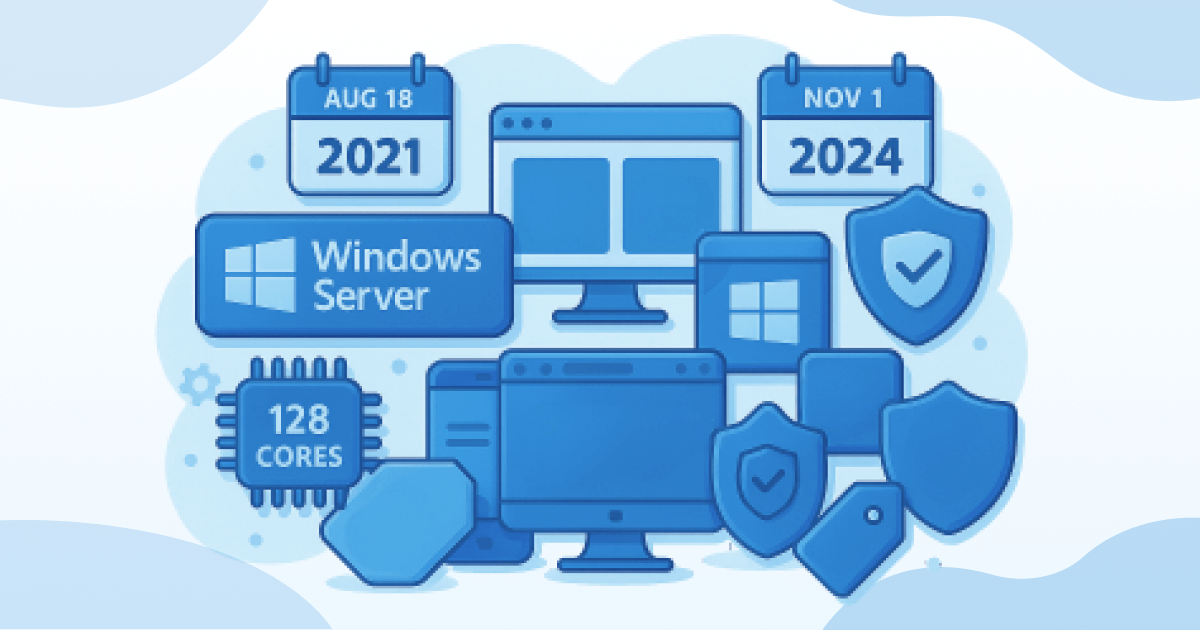
Windows Server is Microsoft's enterprise server platform that allows companies to run and secure applications, services, and workloads across on-premises, hybrid, and cloud environments. Whether you're running a small company or handling business facilities, Windows Server supplies the structure for safe, scalable, and high-performance computing that grows with your company.
Improving Cloud Hosting Efficiency for Business Tools
Windows Server delivers detailed abilities that help organizations update their infrastructure while keeping security, efficiency, and dependability. Usage Windows Server for:: Unified management of Windows, Linux, and container workloads.: Seamless combination with SQL Server, System Center, Exchange, SharePoint, Job, and existing Windows infrastructure.: Enterprise-grade support with an active tech neighborhood.