Enhancing Cloud Hosting Efficiency for Business Tasks

As more Independent Software Application Vendors (ISVs) move far from on-premises implementation, has ended up being an essential. Whether you're updating a tradition desktop application or supporting remote users, hosting your software application in the cloud enhances ease of access, scalability, and efficiency. However not every hosting alternative is designed with ISVs in mindespecially those providing full-featured Windows applications.
describes running Windows-based applications or desktop environments on virtual facilities hosted in the cloud. Rather of installing software in your area or managing physical servers, your application is released on a remote serveraccessible through the internet. This model permits ISVs to: Provide Windows software to any deviceAvoid handling on-premise hardwareScale users up or down on demandCentralize updates, security, and backupsReduce customer setup and support troublesome platforms use full virtual desktops (like Windows 365), while others focus on publishing specific applications directly (like ISVHost with GO-Global).
is a managed Windows application hosting platform powered by, a lightweight remote access solution. Together, they provide ISVs everything required to host and provide their software application through the cloudwithout rewording it or managing complex facilities. If you're looking to turn your on-premise Windows application into a SaaS-style item, ISVHost with GO-Global supplies the most direct and efficient path.
why marketers use a VPSWhy Developers Utilize Windows Server 2026
ISVs with DevOps resources who desire complete control over their environments. Amazon EC2 supports Windows-based instances you can use for hosting applications, development environments, or backend services.
Offers versatility but requires technical proficiency and effort to set up. Licensing and performance tuning are your obligation. V2 Cloud provides completely handled virtual desktops with Windows environments that are simple to deploy. It's tailored towards groups who require persistent desktop access. ISVs supporting clients who expect a complete Windows desktop experience.
Windows 365 offers persistent cloud-based desktops through a foreseeable per-user subscription. ISVs that require to provide full desktops to internal users or customers. You'll be provisioning whole desktops even if just one program is required.
Essential Information About Windows Server 2026 Hosting
If you're trying to support complete desktop environments, tools like Windows 365 and V2 Cloud may make sense. But if your concern is application-first delivery without the facilities overhead, is the clear leader. It's the fastest method to provide your Windows application in the cloudsecurely, reliably, and without rewriting your code or handling complex environments.
Make sure that the servers are supported for migration (check OS variations, disk setups, and so on). Confirm if your existing licenses enable migration to Azure (specifically for Windows Server and any thirdparty apps).

Validate you have an active Azure subscription. Design your Virtual Network (VNet): series of IP addresses, subnets, Network Security Groups (NSGs), and connectivity (VPN/ExpressRoute if required). Choose an Azure area based on efficiency, data residency, and expense considerations. Set Up the Azure Migrate Task Log in to the Azure Website.
Expanding Server Resources for High-Demand Workflows
Pick the appropriate settings (assessment and migration module) for server migration. Download the home appliance from the Azure Migrate job page. Install the device (it can be set up as a virtual machine onpremises if you're moving virtual makers, or run it on a physical server) following the installation guide. Register your onpremises servers with the Azure Migrate device.
Evaluation the assessment reports that program resource utilization, sizing recommendations, and compatibility. I hope this clarifies things. Please remember to "Accept Response", so that others in the community facing similar concerns can quickly find the responses.
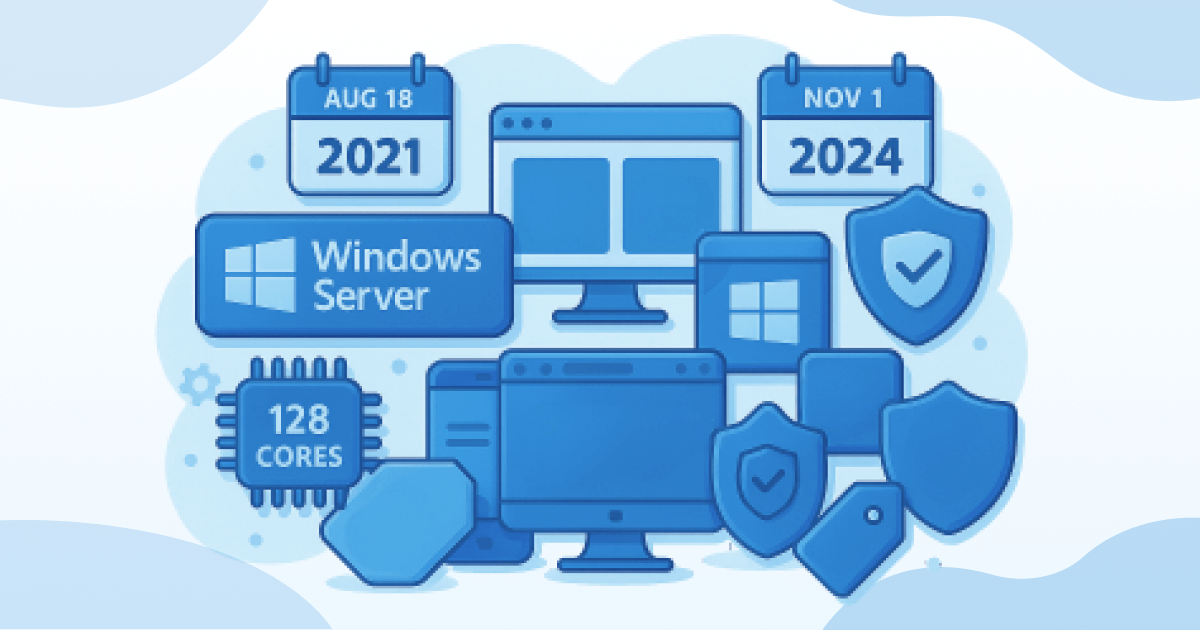
Windows Server is Microsoft's business server platform that enables organizations to run and protect applications, services, and work across on-premises, hybrid, and cloud environments. Whether you're running a little company or handling enterprise facilities, Windows Server provides the structure for secure, scalable, and high-performance computing that grows with your organization.
High RAM Cloud Hosting Strategies for 2026
Windows Server delivers extensive capabilities that assist organizations improve their facilities while maintaining security, performance, and dependability. Usage Windows Server for:: Unified management of Windows, Linux, and container workloads.: Seamless integration with SQL Server, System Center, Exchange, SharePoint, Job, and existing Windows infrastructure.: Enterprise-grade assistance with an active tech community.