How to Optimize Windows 2026 for Enormous Automation Work
Virtualization Performance in Windows Server 2026
The release of Windows Server 2026 marks a considerable step in how organizations deal with high-density virtualization. Organizations in the local market are moving away from traditional physical hardware reliance, picking instead to consolidate work into more efficient virtual machines. This version presents core enhancements to the Hyper-V hypervisor, focusing on minimized overhead and much better hardware-assisted isolation. The focus for 2026 centers on effectiveness, specifically how the operating system manages compute-intensive jobs without siphoning resources from the host. Hardware requirements for 2026 have actually moved to favor processors with innovative guideline sets that permit direct memory gain access to by visitor os.
Among the primary modifications in the 2026 hypervisor is the refinement of memory management. Dynamic Memory has been changed with a more proactive allowance system that anticipates workload spikes based upon historic patterns within the VM. This lowers the latency typically connected with memory ballooning. Business executing 2026 facilities for enterprise operations see a significant difference in how the system handles database engines and high-frequency trading tools. The 2026 kernel also includes optimizations for NVMe storage, allowing virtual disks to reach near-native speeds through enhanced IOPS throughput.
Advanced GPU Partitioning and Graphics Support
Graphics-intensive applications have actually historically struggled in virtualized environments. Windows Server 2026 addresses this through an updated version of GPU Partitioning (GPU-P) Unlike older techniques that needed dedicated hardware per VM, the 2026 application allows a single physical graphics card to be split throughout dozens of virtual circumstances with exact resource limitations. This is especially helpful for engineers and designers in the surrounding region who rely on CAD software and 3D modeling tools hosted in a central information center. By designating particular calculate systems and VRAM slices to each user, administrators preserve constant performance without the cost of individual workstation hardware.
The 2026 chauffeur model for GPU-P likewise supports the most current DirectX and Vulkan APIs within the visitor OS. This makes sure that modern-day software runs without the visual glitches or chauffeur incompatibilities that plagued older server versions. Dependability has actually improved because the hypervisor can now reset a specific GPU partition if a guest chauffeur crashes, without affecting other VMs sharing the same physical silicon. This level of seclusion is a cornerstone of the 2026 strategy for high-demand business tools, ensuring that one user's heavy work does not jeopardize the stability of the entire host.
Improving Remote Desktop Procedure Performance in 2026
Remote work remains a standard practice in 2026, and the Remote Desktop Procedure (RDP) has actually undergone its most considerable overhaul in years. The focus is now on the AV1 codec, which offers exceptional compression compared to previous standards. This enables high-definition desktop streaming even over connections with minimal bandwidth. Users in the regional area can now experience fluid interaction with remote applications, even when dealing with high-resolution video or complex spreadsheets. The protocol now focuses on input latency, utilizing predictive algorithms to make sure that mouse motions and keystrokes feel immediate despite network jitter.
Security for RDP in 2026 has actually also moved to a Zero Trust model. Every connection effort needs multi-factor authentication and device health attestation before a session is developed. This prevents compromised gadgets from accessing the server, even if the user has legitimate qualifications. Organizations focusing on Asia Virtual Solutions Security find that 2026 software-defined networking uses much better isolation for these remote sessions. The combination of UDP-based transport as the default choice further enhances the experience for users on wireless networks, as it handles package loss much better than TCP-only connections.
Scalability for High-Demand Organization Applications
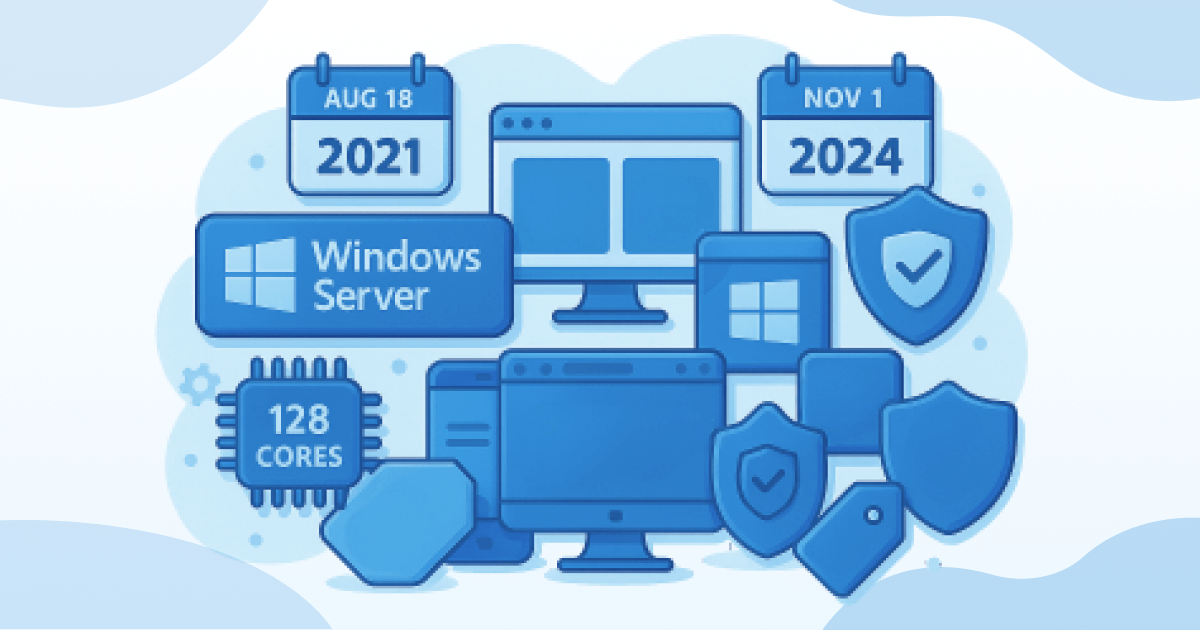
Scaling a Windows Server 2026 environment needs a different technique than in previous years. The operating system now supports as much as 48 terabytes of RAM and 2,048 logical processors on a single host. While few companies need those optimums today, the headroom allows for massive consolidation. For businesses in the local area running large-scale ERP systems or data analytics platforms, this scalability suggests fewer physical boxes to manage and lower power consumption in the server space. The 2026 scheduler is designed to manage these massive core counts efficiently, preventing thread contention that can slow down processing.
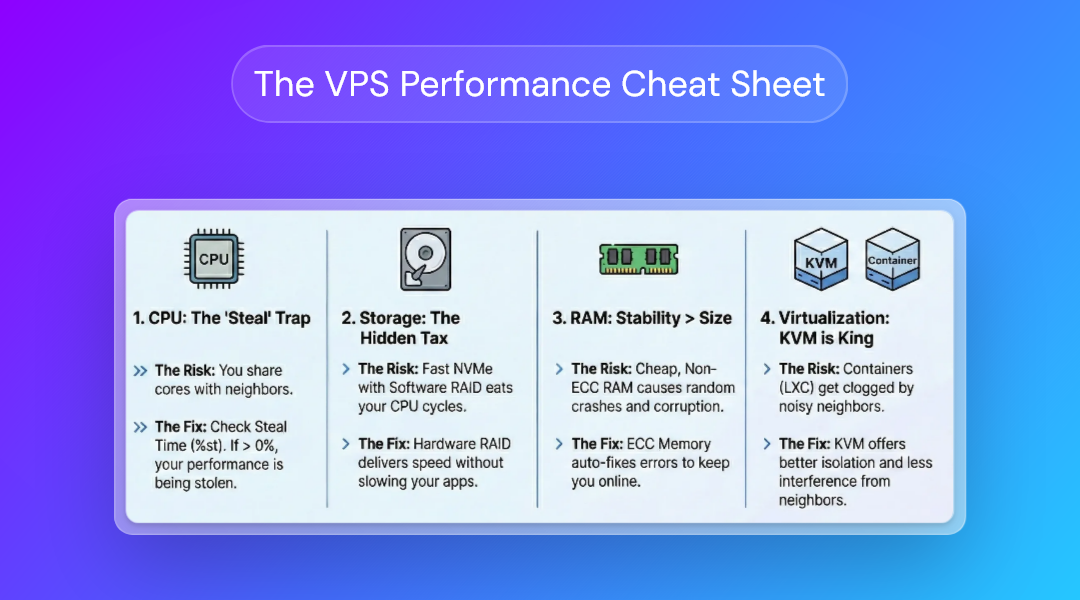
Resource Governance is another location where 2026 excels. Administrators can set strict caps on CPU, memory, and storage bandwidth at the procedure level or the VM level. This makes sure that a "noisy next-door neighbor" VM can not saturate the host's resources and impact production services. Financial investment in Asia Virtual Solutions Security sets well with the brand-new identity management features found in the 2026 release, enabling more granular control over who can customize these resource limitations. In a multi-tenant environment, these governance tools are vital for keeping service level agreements with various departments or external clients.
Storage Spaces Direct and Data Strength
The 2026 update to Storage Spaces Direct (S2D) presents a brand-new "Sub-Volume Tiering" system. This feature instantly moves frequently accessed information to the fastest available storage media, such as Optane or high-speed NVMe, while pushing cold data to more affordable high-capacity drives. This occurs at a block level with no manual intervention. For a company in the local market, this implies that high-demand tools like SQL Server constantly have the fastest possible access to active tables. The 2026 variation of ReFS (Resilient File System) also includes real-time metadata checksums to prevent information corruption, which is essential for long-lasting archival and active databases alike.
Clustering has ended up being more resilient in 2026 also. The brand-new "Cloud Witness" enhancements allow for more steady cluster arbitration even if the main internet connection is flaky. If a node in a 2026 cluster stops working, the failover process is now approximately 40% faster than in previous variations. This reduction in downtime is accomplished by pre-staging VM states on standby nodes, enabling for a near-instant shift. This focus on high availability guarantees that important business operations remain online even throughout hardware upkeep or unforeseen component failure.
Handling the 2026 Environment with Modern Tools
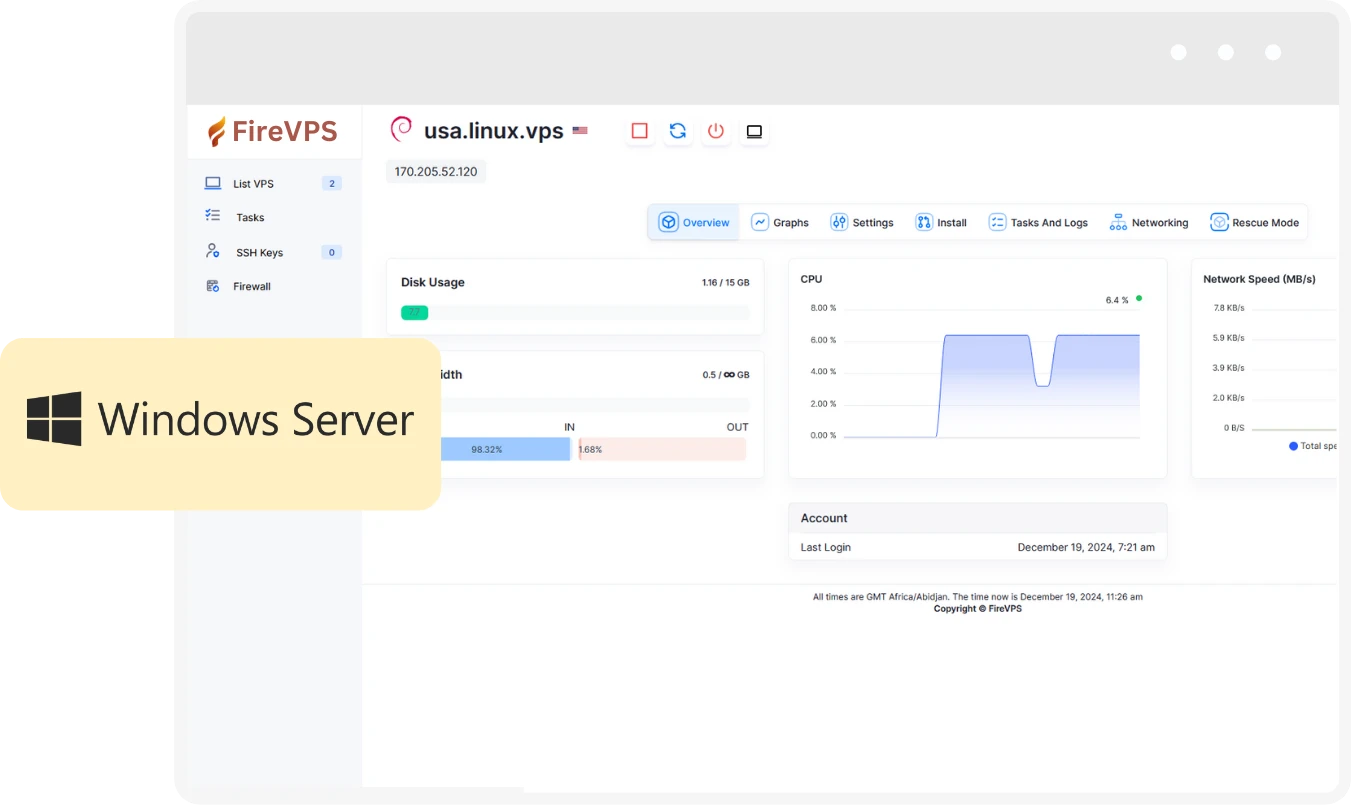
The 2026 administration experience relies heavily on browser-based management and automation. While the desktop experience stays available, the emphasis is on remote management through the upgraded Admin. This tool supplies a unified view of physical hosts, virtual makers, and cloud-integrated services. It allows IT personnel in the region to monitor performance metrics in real-time and apply patches throughout the entire fleet with a few clicks. The 2026 variation of Hotpatching is especially helpful, as it permits security updates to be used to the OS kernel without requiring a reboot, keeping services offered 24/7.
Automation through PowerShell 8.0 is another pillar of 2026 management. A lot of virtualization and RDP tasks can be scripted, permitting the fast release of standardized environments. When a new department needs a set of virtual desktops, a script can arrangement the VMs, appoint GPU partitions, configure RDP consents, and join them to the domain in minutes. This reduces human mistake and guarantees that security setups correspond throughout the entire company. The ability to manage these complex systems at scale is what separates Windows Server 2026 from its predecessors.
Security and Identity in the Virtualized Space
Security is no longer an afterthought in the 2026 server architecture. Shielded Virtual Makers have actually been improved to support both Linux and Windows guests with minimal performance impact. These VMs utilize BitLocker to encrypt the virtual disk and the hypervisor uses protected material to guarantee that even a compromised host administrator can not peek into the visitor VM's memory. This is an important function for businesses in the local market that manage delicate financial or health care data. The 2026 release likewise presents "Sovereign Clouds" assistance, enabling stringent data residency manages within a virtualized environment.
Identity protection has actually also seen upgrades with the 2026 variation of Active Directory. Kerberos hardening and the removal of legacy NTLM procedures by default minimize the threat of relay attacks. Credential Guard is now made it possible for by default on all 2026 setups, securing tricks in a virtualized container that is separated from the rest of the os. These layers of defense ensure that even if a single point of the infrastructure is breached, the opponent is prevented from moving laterally through the network. This focus on security makes 2026 a dependable option for hosting high-demand tools that are targets for cyber risks.
Releasing Windows Server 2026 represents a shift toward more intelligent and self-governing facilities. By integrating the most recent developments in hypervisor technology with a more efficient remote access procedure, organizations can scale their operations without a direct increase in intricacy. The hardware-level improvements in 2026 supply a steady foundation for the next generation of service applications, guaranteeing that virtualization stays a practical path for even the most requiring work. Whether it is through GPU partitioning or the brand-new RDP transport layers, the focus remains on providing a consistent and safe and secure experience for each user in the company.