Is a High-RAM Windows VPS Vital for Developers?
need to provide you enough control to build, test, release, automate, and repair software without turning every project into a cloud-platform task. For a lot of developers and little DevOps teams, the very best VPS is not the outright cheapest plan. It is the smallest server that safely supports the workflow: SSH and root gain access to, Docker, APIs, staging, CI/CD runners, databases, background jobs, internal tools, and production applications.
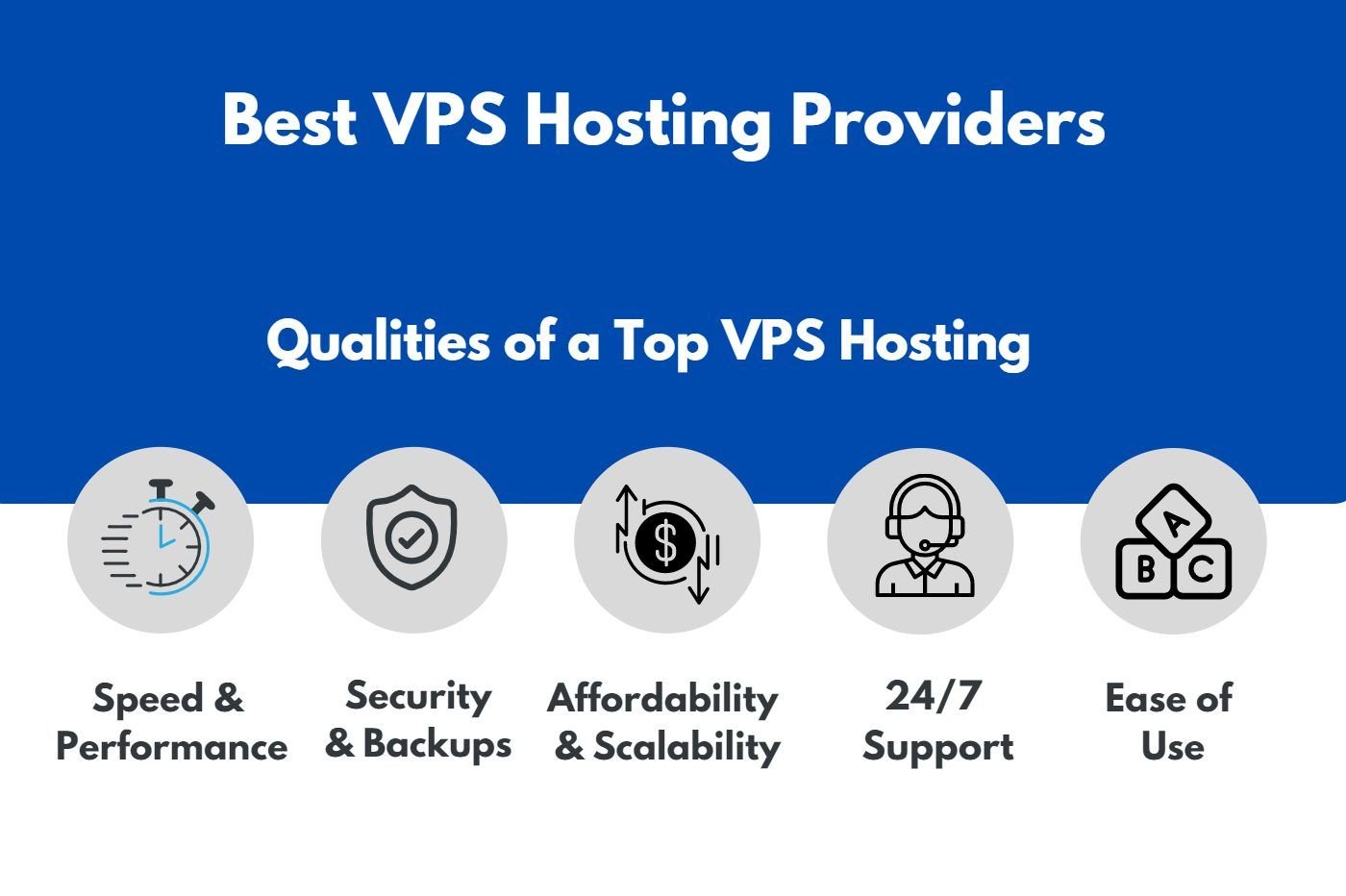
It explains what to search for, how much CPU and RAM common designer work need, when Linux or Windows makes sense, and when a VPS stops being the right architecture. For the wider VPS definition and hosting designs, utilize the Virtual Private Server Hosting Guide. A developer-friendly VPS ought to offer: full root or administrator access; existing Linux distributions or Windows Server when required; quick SSD or NVMe storage; predictable bandwidth pricing; enough RAM for containers, builds, and databases; SSH essential support and firewall program controls; snapshots and backups for crucial environments; a clear resize path; API or infrastructure automation when the team grows; support that can help when the issue is infrastructure instead of application code.
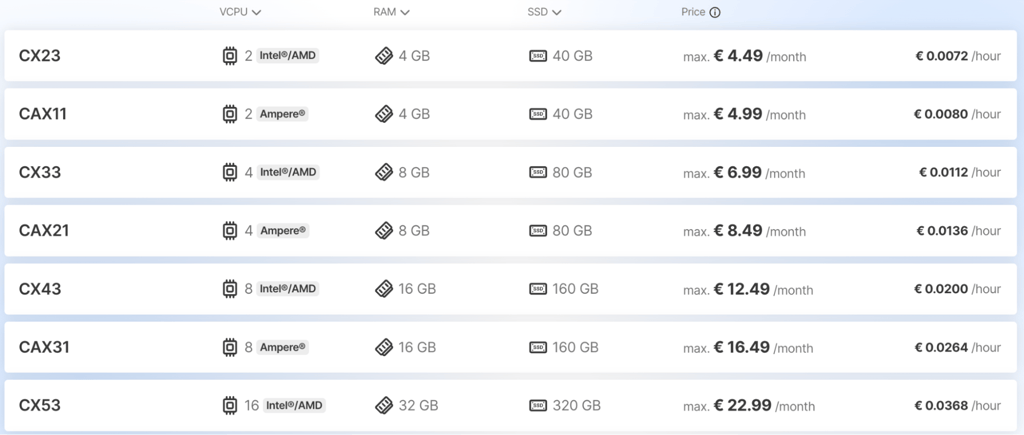
Build runners, Docker stacks, databases, and Windows environments can require significantly more. Developer workloadPractical starting pointMain resource to watchLearning server/ CLI sandbox2 vCPU/ 2 GBRAMSmall API or backend2 vCPU/ 24 GBRAM and CPUStaging environment2 vCPU/ 4 GBProduction parityDocker Make up stack24 vCPU/ 48 GBRAM and diskCI/CD runner4+ vCPU/ 48+ GBCPU and NVMe I/OSmall development database24 vCPU/ 48 GBRAM and storage latencyWindows dev/test server24 vCPU/ 48+ GBRAM These are starting instructions, not universal requirements.
budget Windows VPSIs a Fast Windows VPS Necessary for Developers?
Designer hosting is different from ordinary website hosting since designers require control over the environment. A helpful VPS needs to let you: install packages and language runtimes; select the os; set up Nginx or Caddy; run Docker and Docker Compose; develop systemd services; run background employees and cron jobs; host an API or webhook endpoint; link to private databases and caches; run CI/CD representatives; examine CPU, memory, disk, and network habits; automate provisioning and changes.
Big hyperscalers can fix almost any infrastructure problem, but they can present IAM, networking, metered services, and billing intricacy before a small group needs it. A VPS sits between those extremes: a normal server environment with fewer platform abstractions. Examine a service provider in this order. Choice areaWhat to verifyWhy designers careAccessRoot, SSH secrets, console, Windows admin when neededYou can actually control the serverCPU and RAMPlan sizes and resize pathBuilds, containers, databases, and employees need headroomStorageSSD/NVMe type and capacityPackage installs, Docker layers, DB I/O, develops, logsBandwidthIncluded transfer, egress, or unmetered policyPublic APIs, downloads, CI artifacts, backupsOperating systemsCurrent Linux images, Windows, customized ISO if neededToolchain and application compatibilityNetworkingIPv4/IPv6, firewall program, personal networkingPublic edge vs personal backend designRecoverySnapshots, backups, bring back workflowStaging and production failures are recoverableAutomationAPI, CLI, Terraform or equivalentRepeatable facilities as the team growsLocationRegions close to users and dependenciesLatency, compliance, and architecture fitSupportAvailability and technical scopeInfrastructure failures must not end up being long ticket chainsBillingMonthly cost and optional add-onsEasier budgeting for side jobs, SaaS, and client work A service provider can be excellent and still be the wrong fit if its area, billing model, or operating system support does not match the task.
It fits:; Python, Django, and Flask; PHP and Laravel; Go; Ruby; Java; PostgreSQL, MySQL, MariaDB, Redis, and MongoDB; Docker and Docker Compose; Nginx and Caddy; GitHub Actions and other CI/CD runners; self-hosted designer tools; APIs, webhooks, and employees. Linux typically takes in less standard memory than a complete Windows Server environment and integrates naturally with common DevOps tooling.
Windows Server is the much better choice when the workload depends on: RDP administration; IIS;. NET; Windows-only applications; Microsoft SQL Server workflows; Active Directory-related screening; Windows desktop or business-software requirements.
Containers do not immediately need Kubernetes. A single VPS can run a useful Docker Compose stack including: Reverse proxy Application Employee Redis Small database or external handled database Tracking representative This is frequently sufficient for: prototypes; MVPs; staging; internal tools; little SaaS applications; automation services; self-hosted designer tools.
Top High-RAM Windows RDP Solutions in 2026
Use Kubernetes vs Docker Compose for Little Groups before including a cluster simply due to the fact that the application utilizes containers. A self-hosted runner is among the designer workloads where VM quality ends up being obvious rapidly. Builds can worry: CPU during compilation and tests; NVMe storage throughout dependency restore and Docker builds; RAM during parallel tasks; network transfer during checkout, bundle downloads, and artifact upload.